
Blog
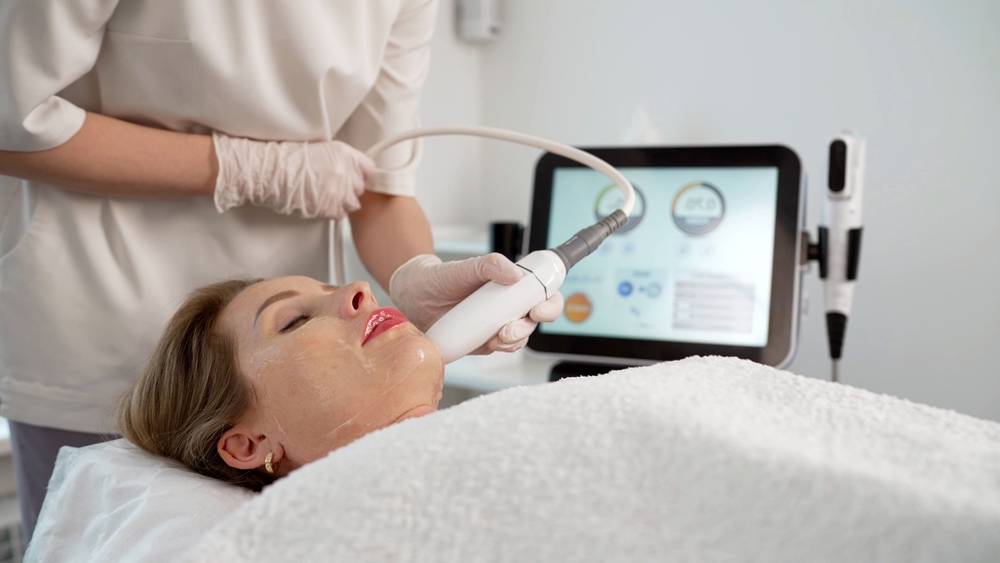
Loose skin, wrinkles, and reduced jawline definition are common concerns as we age. For patients seeking neck rejuvenation in Dallas, radiofrequency (RF) skin tightening and surgical neck contouring offer different approaches to improving the appearance of the neck. Understanding their results, recovery expectations, and costs can help you determine which option best aligns with your goals.
[Continue Reading...]
[Continue Reading...]
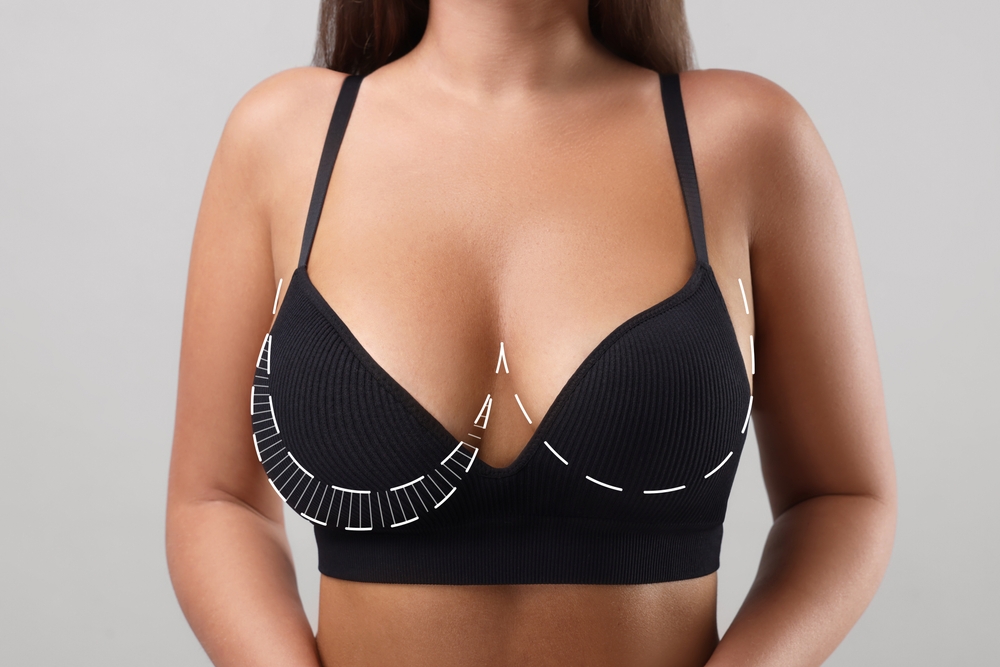
Breast Reconstruction Options in Dallas: Choosing Between Natural Tissue Flaps and Silicone Implants
Breast reconstruction is a highly personal part of recovery after a mastectomy. For women considering breast reconstruction in Dallas, understanding the differences between natural tissue reconstruction and implant-based reconstruction can make the decision feel more manageable. At our practice, Dr. Jason Potter discusses each option carefully, including the potential benefits, limitations, recovery process, and how each approach relates to your individual needs.
[Continue Reading...]
[Continue Reading...]

Breast reduction surgery can help relieve physical discomfort, improve body proportion, and make everyday activities feel more comfortable. For many patients, one of the biggest questions is not only how the breasts will look after surgery, but where the scars will be placed. Modern breast reduction techniques are designed to reshape the breasts while positioning incisions as discreetly as possible.
[Continue Reading...]
[Continue Reading...]
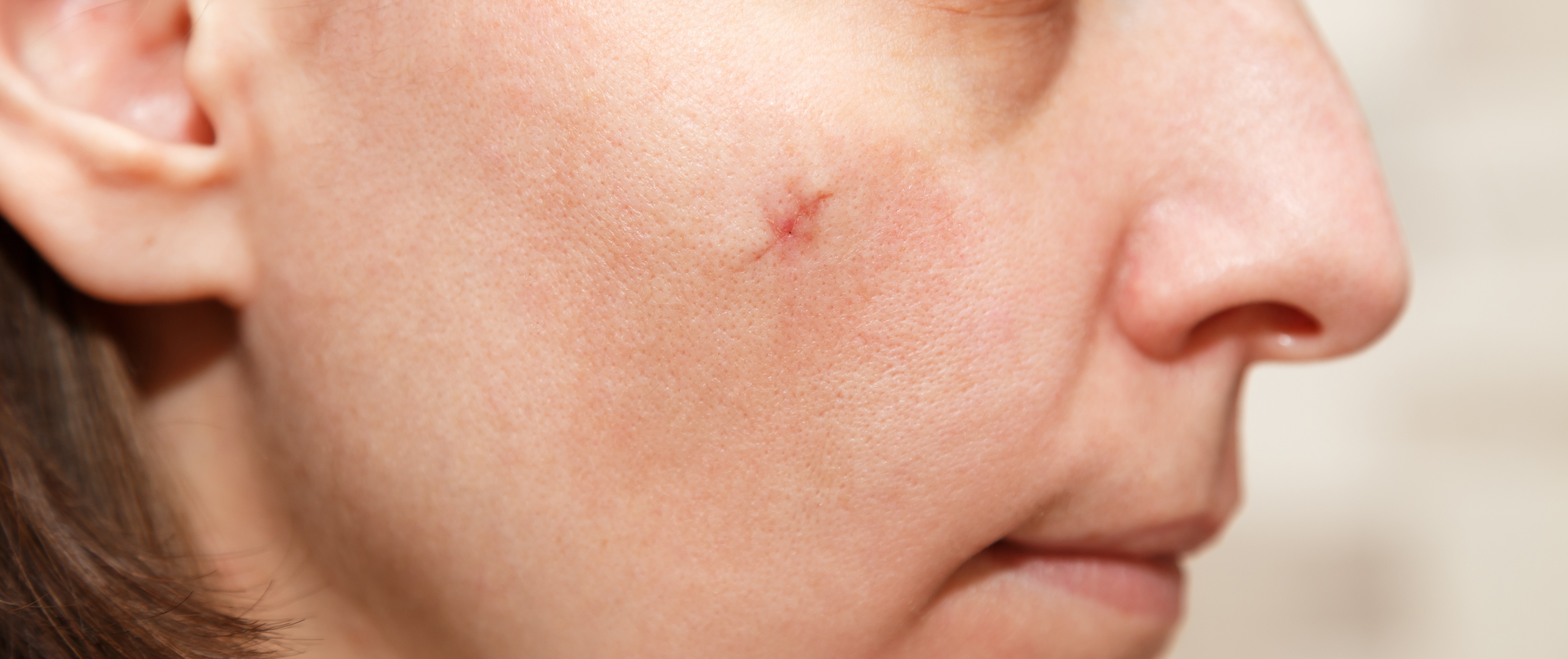
Facial tissue damage can happen after an injury, burn, surgery, or skin cancer removal. Because the face plays such an important role in expression, appearance, breathing, eating, and eye protection, reconstruction must be planned carefully. Skin grafts and flaps are two common techniques used to restore facial tissue and help the area heal as naturally as possible.
[Continue Reading...]
[Continue Reading...]
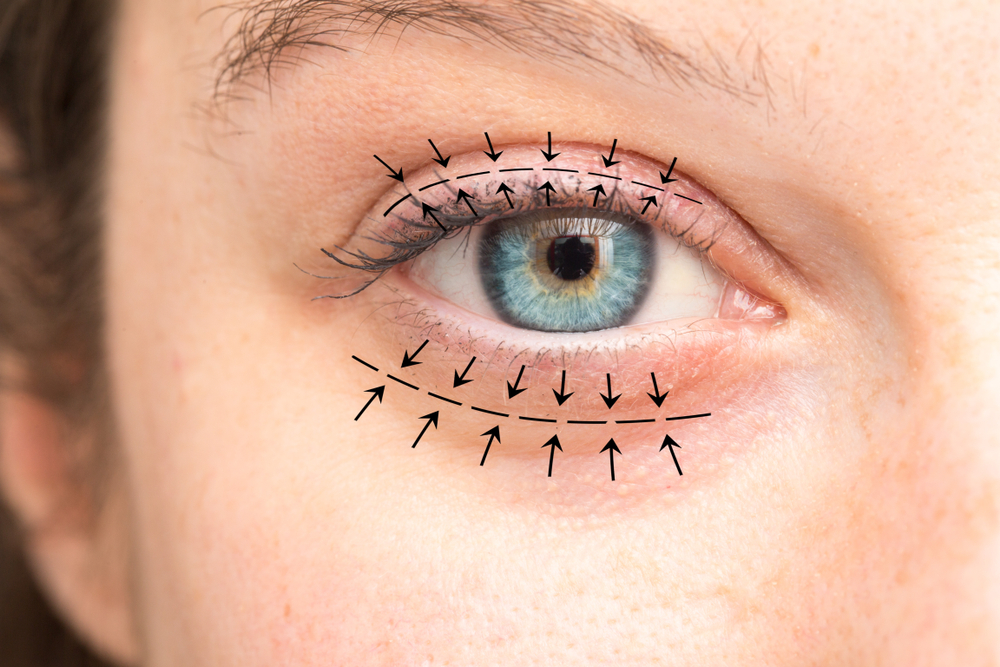
Blepharoplasty recovery looks a little different for every patient, but swelling, bruising, tightness, and mild discomfort are all common in the first several days. Whether you are having upper eyelid surgery, lower eyelid surgery, or both, your body needs time to heal as the delicate tissues around the eyes settle.
[Continue Reading...]
[Continue Reading...]
Associations & Awards

CONTACT INFORMATION


2026 © Jason K Potter MD DDS - All Rights Reserved - Powered by: 